Running out of fuel on the last lap is the most embarrassing way to lose a race. I know, because I’ve done it. In GPRO, “guessing” your fuel load is a guaranteed way to finish in the bottom 10, along with not understanding the driver feedback when qualifying. You need precision. If you carry too much fuel, you are slow. If you carry too little, you DNF. This post is in the series of the GPRO posts that I have written, including the GPRO Driver Feedback.
Stop guessing your fuel. Stop doing complex math on a napkin.
In GPRO, the “Fuel Consumption” stat is hidden. Most calculators ask you to find this number yourself, which usually involves a calculator, a formula, and a headache.
The Indianomics Auto-Planner is different. Simply enter the raw data from your Practice Report, and our tool does the math for you. It even rounds the fuel numbers up to the nearest whole liter, so you get a strategy you can actually type straight into the game.
The Race Strategy Planner
🏎️ Race Settings
Provide Practice Data to see Strategy Plan
How to use the “Auto-Planner”
You don’t need to know formulas or track lengths. Just follow these 3 steps before every race:
Step 1: The “Data Run” (In Game)
Go to Qualifying 1 / Practice.
Set up your car and send your driver out for a long practice run (I recommend 8 laps).
Wait for the run to finish.
Step 2: Get the Numbers
Open your Practice Report and look for just two numbers:
Laps: How many laps did your driver complete? (e.g., 8).
Fuel Used: How much fuel did that run burn? (e.g., 12.5 Liters).
Step 3: Plug & Win
Select Track: Choose your track from the dropdown menu. (The tool will automatically fill in the correct Track Length and calculate the Race Distance for you).
Enter Data: Type in your Practice Laps and Fuel Used.
Choose Strategy:
Select “1 Stop” for a standard strategy.
Select “2 Stops” if you are sprinting on Soft tyres.
Select “Auto” if you want the tool to calculate the minimum number of stops required to finish.
Why trust this tool?
It’s Safe: We automatically add a 3 Liter buffer to every calculation to account for engine wear and weather variance.
If you have taken a recent trip outside of India, I am sure one thing that you would resonate is how difficult is to breathe once outside of the airport anywhere in India, due to higher pollution levels. I faced a similar situation way back in 2011 after my US trip for business. It felt like I wanted to get back into the Airport instead. Last time I was worried about the climate, I ended up buying an air cooler.
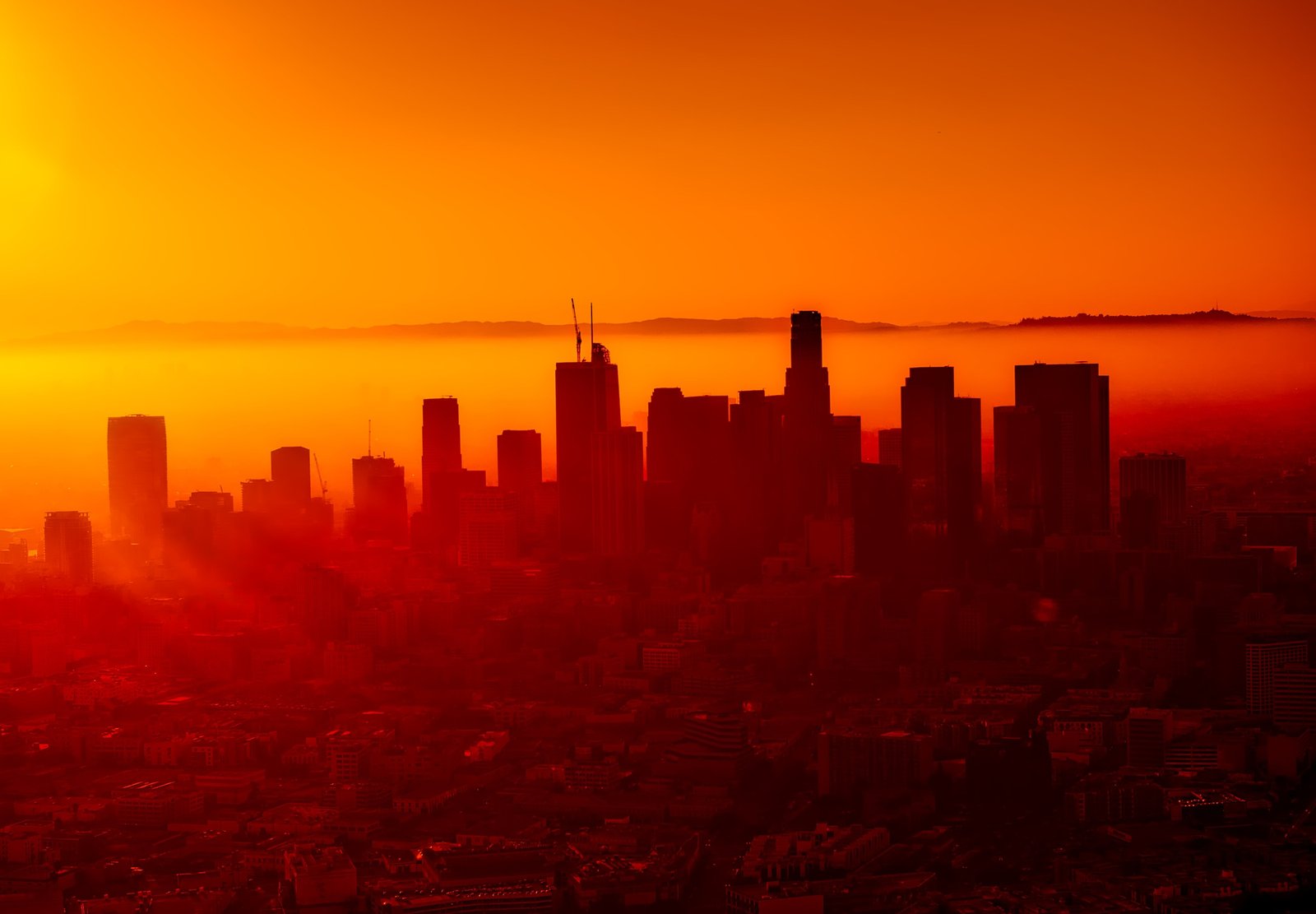
Of course, I am sure you have also read a lot about the new ban on crackers by Supreme Court of India. The court had to enforce it because of the deteriorating breathable air for the common man. Let us look at what causes the pollution, shall we?
Air Pollution in India
Air pollution is a severe issue in India, however, has not seen enough action across the board. Last year, it was the odd-even number plate scheme in New Delhi that clogged the news, while it was Diwali and Crackers this year.
If it does not ring a bell, you can read about it on Wikipedia. Yes, there is a dedicated page for Air Pollution in India on the Wiki. It has been a controversial topic to be discussed, given that the United States of America also has been showing withdrawal sings from the global accord at the Climate Change Summit. Donald Trump and his policies deserve a separate blog post in itself.
Fossil Fuel and Biomass
I am sure you know what fossil fuels are. Exactly, the liquid stuff that powers our cars and bikes, trucks and heavy equipment. While these are a necessary expenditure that you have to make to go from a place to another before electric vehicles are popular, Fossil fuels are also used to produce electricity.
With ever increasing vehicles on the road, and increase in numbers of cars on the way these days only accentuates the problem we have at our hand. These vehicles emit the harmful gases and particles in the air that we breathe and makes us sick, slowly but surely.
Pollution – what are we breathing
Fuel Adulteration
An extension of the above topic, in India it is hard to find a fuel station that sells the pure form of fuel. Adulterated fuel causes vehicles to emit excess pollutants in the air…
Fuel adulteration is so rampant in India that every other car emits far more toxic fumes than it should. India recently decided to skip BSV standard and jump directly from BS4 to BS VI (BS 6) so that it can catch up to the US and European standards.
The Pothole and Traffic story
If you are living in Metros, then you know the traffic. And you also know, the conditions of roads in India. I am not talking about the highways though. My recent trip to Kerala makes it abundantly clear that highways are laid using much better quality of tar and rocks than their city counterparts. One word on the cause is corruption.
The more the potholes, more the traffic. With ever increasing vehicles on the road, traffic situation just amplifies the amount of bad stuff in the air that you and I breathe.
Factory and other pollutants
Fumes coming out of factory has even contributed to Taj Mahal losing its sheen. Burning ‘gobar’ (cow dung) and setting fields on fire after harvest is another cause.
With so many of the contributing factors, it is difficult or near impossible to contain the pollution. Here is a possible view into the future, where Oxygen kits will be treated the same way as drugs, and you will pay through your nose (pun intended) to breathe fresh oxygen.
Acted ably by Jackky Bhagnani and Nawazuddin Siddiqui, Carbon is a short film by Royal Stag Large Short Films should be an eye-opener!
Pollution – what are we breathing
So what can we do?
Nothing and everything! If you are lazy, you cannot do anything. If not, you can stop it. By reducing our carbon footprint, one by one. Everyone can do their bit. Here is a list of things that you can do to help save the planet.
1. Go electric, but via Solar
Elon Musk is making all the right noises, and for the right reasons. However, it is a sham to think humans are difficult to convince. Put the space available to some good use, shall we? Countries generate a significant chunk of their electricity from burning fossil fuels. The need is vital, given the consumption levels and lack of alternatives. But the need to burn fossil fuel was not!
Going solar or clean electricity may not be everyone’s cup of tea. That does not mean you cannot do anything at all to help save the amount of burning carbon. The world is full of ideas; however, we often ignore the small things you can do sub-consciously.
BEE Star Ratings
Edison Bulb
CFL
LED
Efficient light bulbs
To start with, use energy efficient light bulbs and appliances. The government has been promoting the purchase of CFL and LED (more of the later) instead of ordinary incandescent bulbs that most of the rural India still uses.
LED bulbs and lamps help in reduction of consumption while improving the brightness at the same time. Though a tad expensive, the cost benefit over the period is excellent!
Buy 5-star BEE rated products
In India, the government has enforced regulations that help understand how much a product consumes, thanks to Bureau of Energy Efficiency or BEE.
Among the mandatory product types to carry the BEE Energy Star ratings are Television, Air Conditioners, Tube Lamps, Refrigerators, and Geysers. Other’s are optional. So what should you do? Yes, buy the product that offers a 5-star rating. No less!
I firmly believe that all electronic products should mandatory carry the BEE Energy Star ratings. And 5-star rated products should cost less, which they do not. Lack of demand for costly product leads to companies not putting much effort into making them or making as much of them. We Indian’s prefer to go for the cheapest at the time of purchase, not considering the recurring cost (both financial and environmental) that we will be paying at the end of product’s life-cycle.
Switch off plugs when not in use
One of the things that we are often doing today is charging our mobile phones overnight. You can try and charge it before you go to sleep, or after you have got up. While doing so, do not forget to put the switch off.
A lot of offices work 24/5, and most of the times employees do not shut down the computer since they do not want to go through the pain of system booting up. It takes a few minutes to shut down your PC and start up the next day. But the energy it consumes in the meanwhile is a complete waste. Any equipment not in-use should be put off, including your WiFi connection.
3. Limit crackers/fireworks, avoid if possible
After the recently proposed ban on crackers during Diwali, we heard a massive uproar among aam aadmi, who immediately linked the ban to directly hitting their religious belief. Connecting the prohibition to religion was ridiculous; moreover, people went overboard with buying and bursting crackers just to oppose the move. Massive stupidity.
City night explosion firework
Crackers cause pollution at production, transportation and execution level. Not only it releases harmful toxins into the breathable air, but it also creates massive noise pollution, causing more breath-related diseases.
The solution is perhaps not banning crackers, but to limit it. Moreover, a government limit will only be symbolic at best. People will need to start realizing that everyone needs to control polluting the shared breathable air.
4. Carpooling, public transportation, biking and walking.
Carpool
One of the new trends across cities is car-pooling. It is supposed to be cool, and trendy, which it is. However, the reason we all carpool is to save on the fuel and not to reduce pollution or traffic congestions. While in a way, this makes sense, it would make you feel better if you remind yourself about saving the environment while you do so.
Transportation is as good as this at the best!
Public Transportation
I am sure we both agree, in India, public transportation is not up to the mark. It does not become a prominent choice because of the state of transportation and infrastructure. That part, our government needs to do. But once it has improved significantly, would you switch? Let me know in the comment section below if you would happily pledge to change!
Cycling and Walking
Most of us do not live nearby our workplaces. Hence, cycling or biking and walking are not viable options. But for those who do, switching to either helps in reducing congestion, pollution and improves the health of the individual.
India is far away from having its dedicated cycling lane. I hope it is sooner than later.
5. Regular maintenance of all machinery
Keep your automobile, be it a car or motorbike, well tuned and maintained. Follow the manufacturer’s instructions on routine maintenance, such as changing the oil and filters, and checking tire pressure and wheel alignment. A well-maintained vehicle emits fewer toxins in the air.
In fact, you should maintain just about any machinery you use that consumes electricity or pollutant fuel. For your own and other’s sake, at least. Avoid excessive idling of your automobile. Shut the engine at signals and do not accelerate profoundly.
Maintenance of Vehicles is of paramount importance
6. Advocate for emission reductions
We are quick enough to protest the ban on crackers, but not as much when it matters to breathing polluted air. Thankfully, the government decided to skip the BSV or Bharat Stage Five level norms. It means by the year 2020, our standards at emission levels for new automobiles sold will be level with some of the European nations.
However, what people are not much aware of is the emission/pollution norms for factories and other establishments. Here is a link to the complete set of pollution control norms provided by the Central Pollution Control Board.
This is one of the many times Oil marketing companies have refused fuel to troubled Kingfisher airlines. In the past, they have done and they are doing it now too. The airline is pretty much grounded with 50 to 100 cancellations. I wonder how other airlines are able to cope up.
Vijay Mallya, the face of Kingfisher has even gone out of his way to seek help from government which has assured him of considering any sort of help possible, however not a bailout. I don’t think Kingfisher deserves a financial bailout but yes, any assistance other ways should be considered thinking of the fate of many employees who are at the risk of losing their jobs. It is the last thing aviation industry wants to see. As well, Kingfisher has sought to import fuel directly and use it for its airline operations. Hmm, that way he can save state taxes? I need some law people to help me understand how?
Having keenly observed the rise of aviation industry, a correction was due and airlines started responding by increasing the prices where possible and then seeking independence in pricing strategy from government. Mandates to fly non-profitable routes from government is hitting all airlines badly given the constant raise in the fuel prices. Plaguing issues like depreciation of rupee making expenditure in US Dollar or Euro terms even more costly.
I don’t think media has the right to sensationalize the issue linking up personal lifestyle of Vijay Mallya. He is the face of the airline, which doesn’t mean he is the only one running the airline. And the state of Indian aviation does not paint a rosy picture at the same time. Linking up to personal lifestyle is like linking up our Politicians to their chairs. Politicians cannot lavish on tax payers money and neither should.
Yes there are airlines which posted profits, like IndiGo. And if anyone asks me personally, I would like to Fly Kingfisher than IndiGo for the pure lure for luxury and something I could afford. After gobbling up Air Deccan and turning it into a Frills Low cost airline, Kingfisher Red, what Mallya has done is to give luxury to middle class. If Captain Gopinath has given Indians an airline to simply fly, Mallya gave it luxury.
I don’t align with the theory of Mallya’s decision to shut down Kingfisher Red. One business where you have volumes, where you have more opportunities to cut costs, gets much better efficiencies. Extracting profits, leveraging your prime slots, get back to the fight with medium fares to low fares. If I was in Mallay’s shoes and I had to shut down Kingfisher Red, I would have done that differently.
I would have brought back Captian Gopinath and ask him to manage this business separately with keeping 51% stake for myself and giving rest of the 49% for his company. And from the money I gain from the sale of 49% stake, I would have bailed out my airline. Or Captain Gopinath would not agree, I would have gone for someone else who is able enough.
From the recent news I hear, Kingfisher is in talks with an Indian Company for a stake sale. Yay, why did it took so long?
Everyone is up in arms with the back to back hike in fuel prices. To be precise, the Petrol prices.
India is among large importers of crude oil and price of which is so volatile. All Oil PSUs in India are running into losses because of the various subsidies given by the government for all petroleum products. In a way, India is trying to liberalize its economy. The subsidy is basically nothing but the Taxes we pay which comes back as a ‘fake’ relief to us.
Ideally, removal of the subsidy should help government in many ways. One of them, it should end up saving subsidy money which can be diverted to Infrastructure development (and not govt. officials’s pockets). If the funds are properly channelized, I think we can still keep growing as a country in terms of economy and people.
How it is linked to Inflation?
It sounds simple but it is not, trust me. Food products’ prices are the first to go up the moment there is a hike in petrol prices. Reason often cited is the rise in Petrol prices increases transportation costs. One should remember that Government has only raised the prices of petrol and not diesel on which all trucks run and in that sense, it should not affect the food prices at all. It is the middle men who are cashing on the petrol hike opportunity to steal. Manipulating the situation, they make the hay when the Petrol price rise sun is shining.
They bloat up the prices of essential commodities which earn them good money and dupe all of us. Those who are employed do not get a hike in their annual pay on monthly basis and this makes it even tougher for upper and lower middle class. So, what do we say about people who live below poverty line or on it?
Today, for a family of four, a day’s meal can cost anywhere from 150 to 600 depending upon various purchases they do. Fruits costing almost double in last 3 years. And government comes out with a report that an average Indian needs only Rs. 32 a day to eat and live peacefully.
Beware of hikes and reductions!
Every time we see a hike, we start fearing see our food bill going up. Cutting down on other spending is often seen as a way to counter the hike in our food expenses. One thing we should all force and apply is when fuel prices reduce, these bloated up prices should come down too.
A liter of milk now costs more than Rs. 30 and can range from Rs. 22 for a low grade (read more water adulterated milk and vice versa) to even Rs. 35 for the higher grade in certain areas. Cost shouldn’t keep spiraling upwards every time the fuel hike is affected. There should be effective controls placed on essentials commodities.
As an aside, ration supply in India is dogged with serious quality issues. The owners of these ration shops often buy adulterated and low quality commodities from open market and sell it in place of good quality commodities they receive from Government’s Food Corporation of India. The good quality commodity is sold at premium in open market. In the process they steal our right and money. No wonder in India, many do not even pay taxes.
I have heard one of my colleagues from Netherlands once saying that they are happy to pay taxes because their government is giving them enough in returns. Ample and quality infrastructure, good life style opportunities, more people friendly initiatives etc.
So getting back to the topic, any hike and reduction should correctly reflect in our day to day budget.